Conditions
Obesity
What is it?
Obesity is a chronic medical condition in which excess body fat builds up to a level that can affect health. It's usually assessed using Body Mass Index (BMI), a measure based on your height and weight, although waist circumference and overall body composition are also important. Where fat is stored within the body also influences the medical issues it causes.
Obesity develops from a complex mix of factors — diet and physical activity certainly play a role, but so do genetics, hormones, sleep, mental health, certain medications, and the environment we live in. It's rarely simply a matter of willpower, and it's increasingly understood and treated as a long-term medical condition rather than a lifestyle choice.
The World Health Organization classifies BMI into the following categories:
Healthy weight BMI 18.5–24.9
Overweight BMI 25–29.9
Obesity Class I BMI 30–34.9
Obesity Class II BMI 35–39.9
Obesity Class IIIBMI 40 and above
These categories give a good general guide, but there are other considerations to guide weight management or assess health risks of obesity.
How common is it?
Obesity is very common.
In Australia, around two-thirds of adults are above a healthy weight, with around 1 in 3 classified as obese.
Rates have risen steadily over recent decades, across all age groups.
Risk factors include a family history of obesity, certain medical conditions (such as an underactive thyroid or polycystic ovary syndrome), some medications (including some antidepressants and steroids), poor sleep, and high stress levels, alongside diet and activity levels.
Obesity can affect anyone, and many people with a higher BMI are otherwise well — but the risk of developing weight-related health problems rises the longer excess weight is carried, and with greater severity.
Common health issues that can improve with better weight control
Carrying excess weight places extra strain on the body over time, and contributes to a wide range of medical conditions:
Type 2 diabetes — weight loss improves blood sugar control, and can sometimes lead to remission in early diabetes.
High blood pressure and heart disease — weight loss often reduces blood pressure and improves cholesterol levels, lowering the risk of heart attack and stroke.
Obstructive sleep apnoea — excess weight around the neck and throat worsens night-time breathing problems, and weight loss can significantly reduce snoring and breathing pauses during sleep.
Joint pain and osteoarthritis — particularly in the back, knees and hips, which carry a disproportionate share of extra body weight.
Fatty liver disease — a build-up of fat in the liver that can improve, or even reverse, with weight loss.
Reflux disease — excess abdominal weight increases pressure on the stomach, worsening heartburn and regurgitation.
Polycystic ovary syndrome and fertility issues — weight loss can improve hormone balance, menstrual regularity, and chances of conceiving.
Mental health and quality of life — many people notice improved energy, mobility, self-esteem, and mood as weight reduces, although the relationship between weight and mental health works in both directions.
Certain cancers — long-term obesity is linked to a higher risk of several cancers, including bowel, breast, and uterine cancer.
What are the treatment options?
Obesity is best managed with a long-term, structured approach, often combining several of the following:
Lifestyle and dietary adjustments
A sustainable, balanced eating pattern, ideally guided by a dietitian, rather than restrictive short-term diets
Regular physical activity, built up gradually and tailored to what's realistic and enjoyable for you
Attention to sleep quality and stress levels, both of which influence weight
Behavioural strategies, sometimes with psychological support, to address eating patterns and habits
Weight loss achieved and maintained through these measures alone is generally around 5-10% of total body weight in structured studies; long-term lifestyle and dietary change remains essential regardless of any other treatment for obesity.
Medical management
Newer weight-loss medications (such as GLP-1 receptor agonists or combination drugs, e.g. Ozempic or Mounjaro) can produce significant weight loss for many people, working by reducing appetite and slowing digestion
These medications are usually most effective when combined with the lifestyle measures above, and are typically a long-term treatment rather than a short course
Weight loss with medications is often between 10-15% of total body weight
Any underlying medical causes or contributing medications should also be reviewed with your doctor
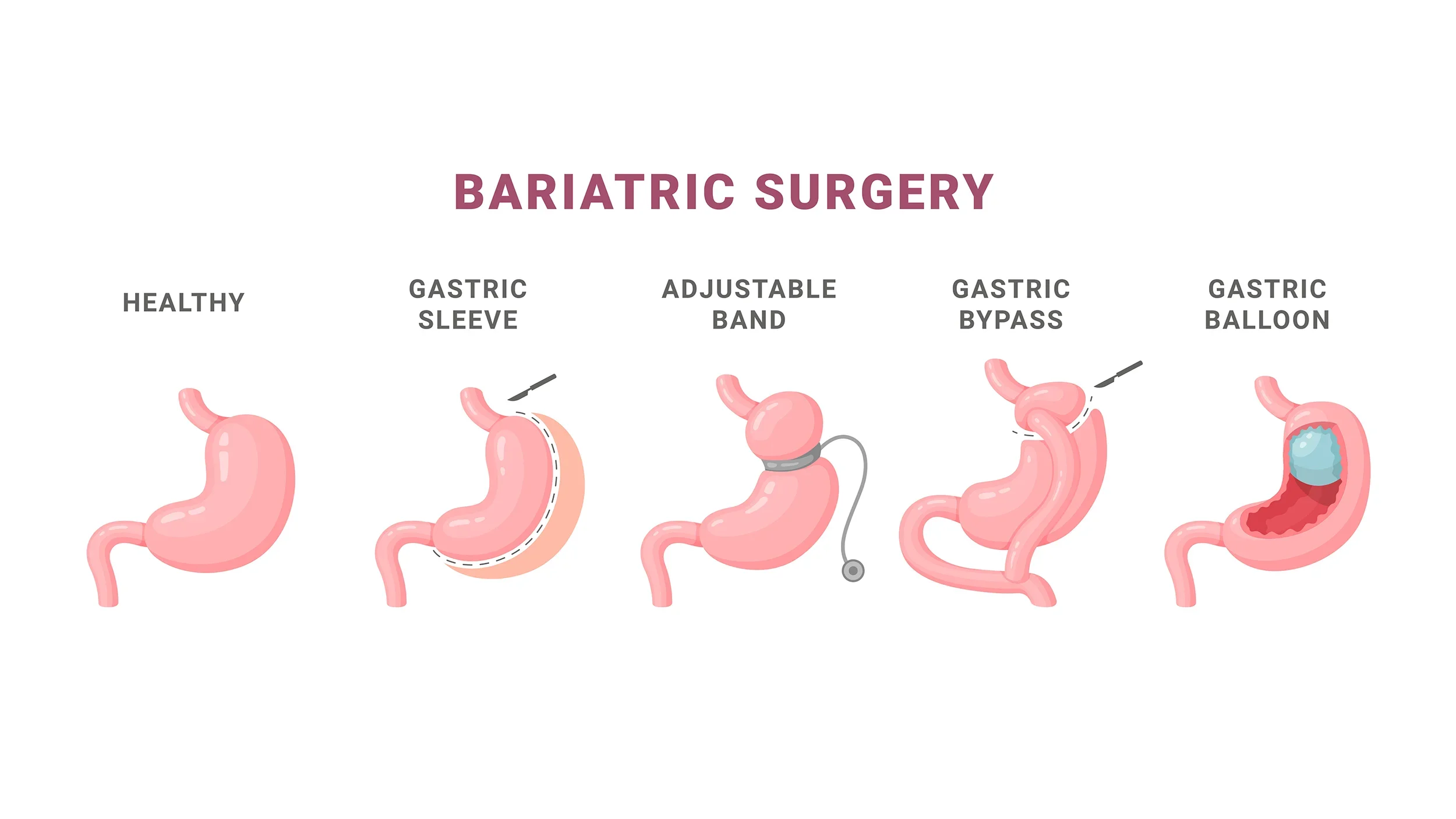
Surgery — bariatric (weight-loss) surgery
This may be considered for significant or severe obesity, particularly when lifestyle measures and medication haven't achieved enough improvement, or when weight-related health problems are present
Surgery has the advantage of giving long-lasting benefit and is the most effective form of weight loss available. Total weight loss is generally around 30% of body weight
Surgery is also cost-effective compared with long-term weight-loss medication, or against the savings from managing related health issues, typically within 18-24 months
As bariatric surgery is generally the most effective long-term treatment for obesity, with substantial, sustained weight loss, it usually delivers major improvement of weight related medical conditions
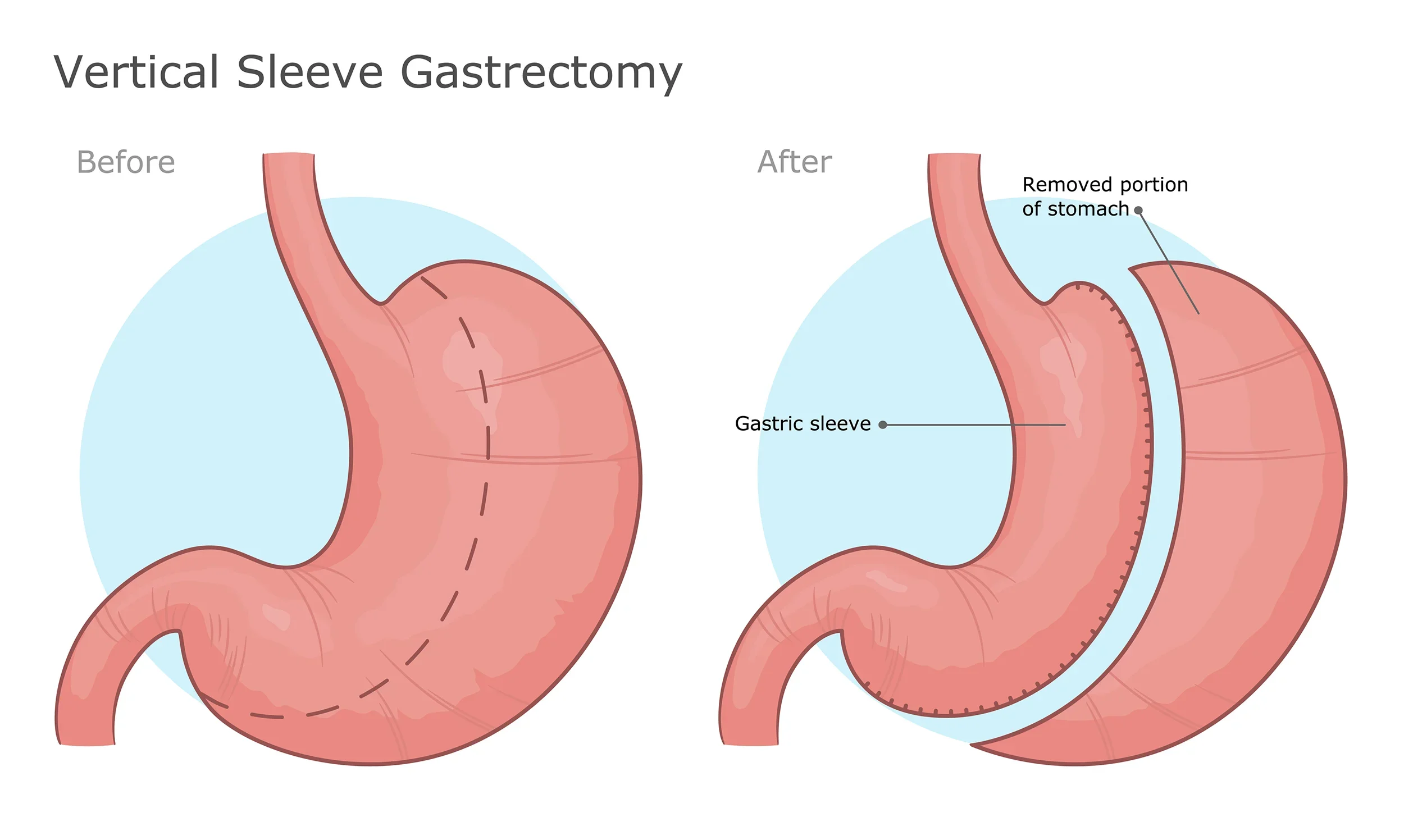
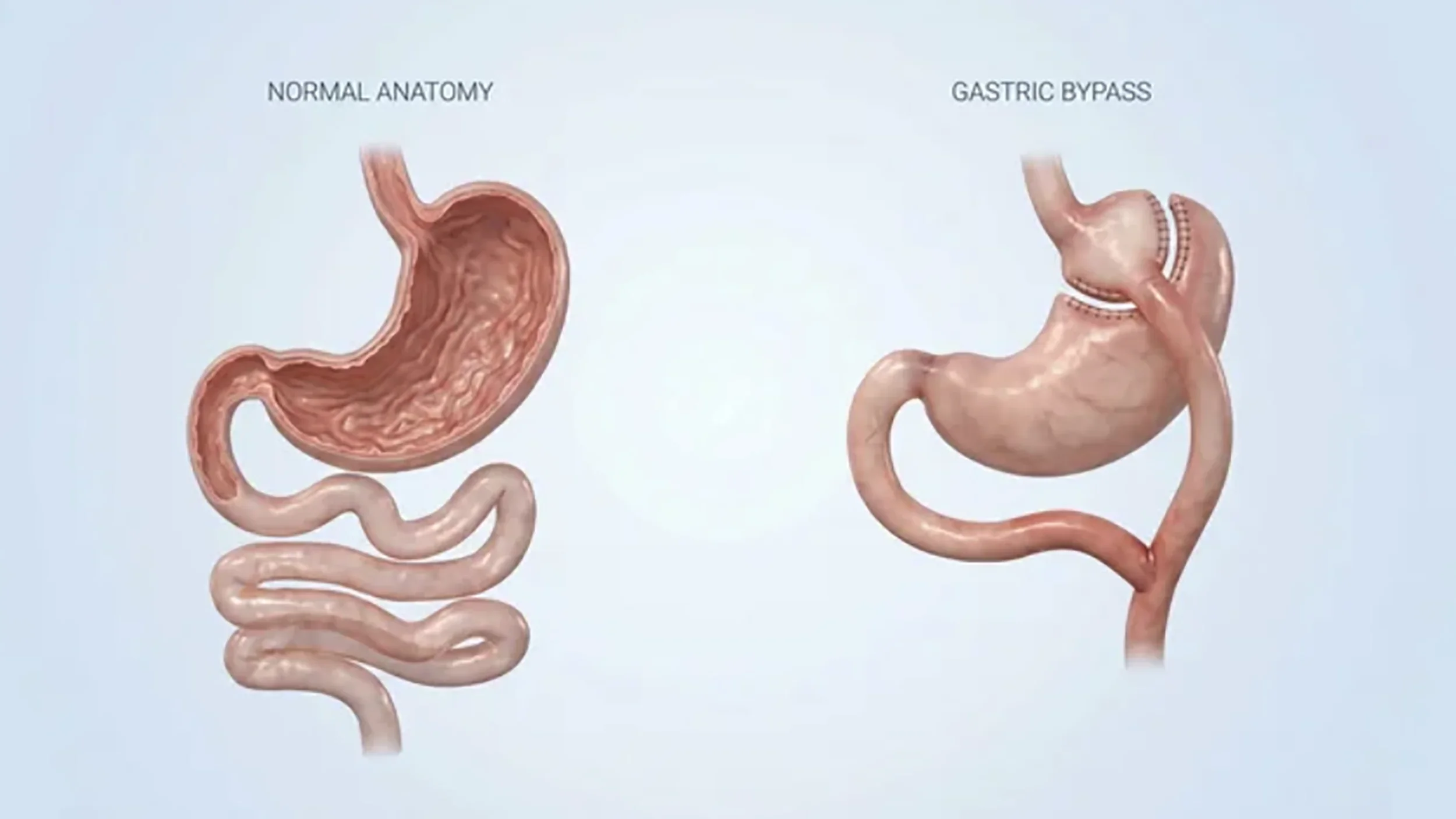
Common procedures include sleeve gastrectomy and gastric bypass, both performed laparoscopically (keyhole surgery)
These operations work by limiting the amount you can eat - keeping you full from a small meal, and altering hunger hormones
As with any major surgery, it carries risks, and requires long-term follow-up, dietary changes, and vitamin and mineral supplementation is recommended afterwards
Surgery is usually offered/indicated if your BMI is over 35
Ongoing support
Obesity is a chronic, relapsing condition, so ongoing follow-up — whether with your GP, a dietitian, or a specialist weight management service — gives the best chance of maintaining results over time.
Summary
Obesity is a common, chronic medical condition influenced by many factors beyond diet and exercise alone.
It contributes to a wide range of health problems, many of which improve with weight loss, even modest amounts.
Treatment usually combines lifestyle changes, medical management, and in some cases bariatric surgery, depending on the degree of obesity and related health issues.
A long-term, supported approach gives the best chance of achieving and maintaining a healthier weight.
If you would like to discuss surgery for weight loss with me, please make an appointment.
For surgical treatment options, see Sleeve Gastrectomy or Gastric Bypass.
Next Step
A referral is required prior to your appointment. Call (03) 9923 8066 or email admin@shilton.net.au to arrange a consultation.