PROCEDURES
Anti-Reflux Surgery (Laparoscopic Hiatus Hernia Repair and Fundoplication)
For background on reflux and hiatus hernia as a condition, see Reflux & Hiatus Hernia.
What is it?
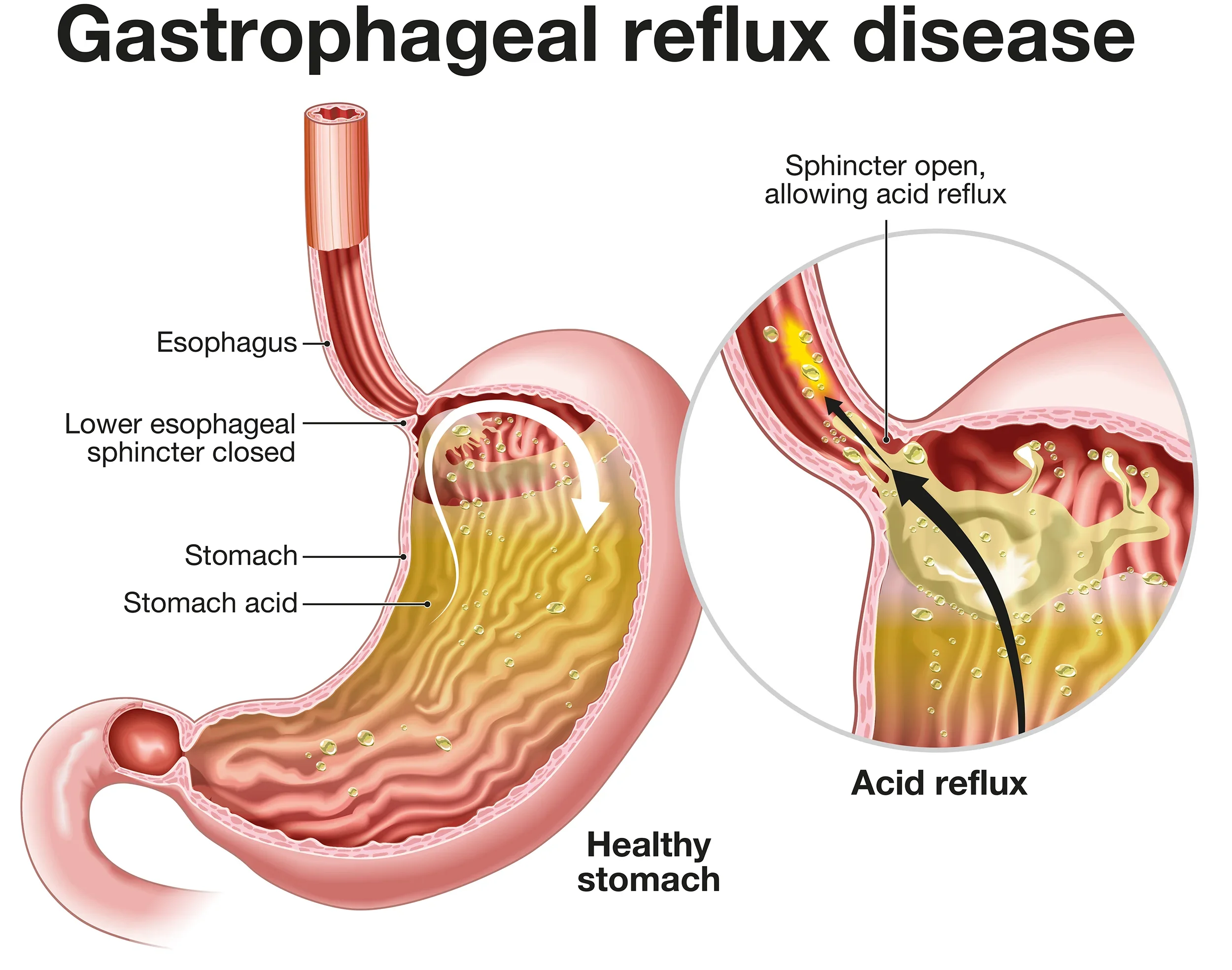
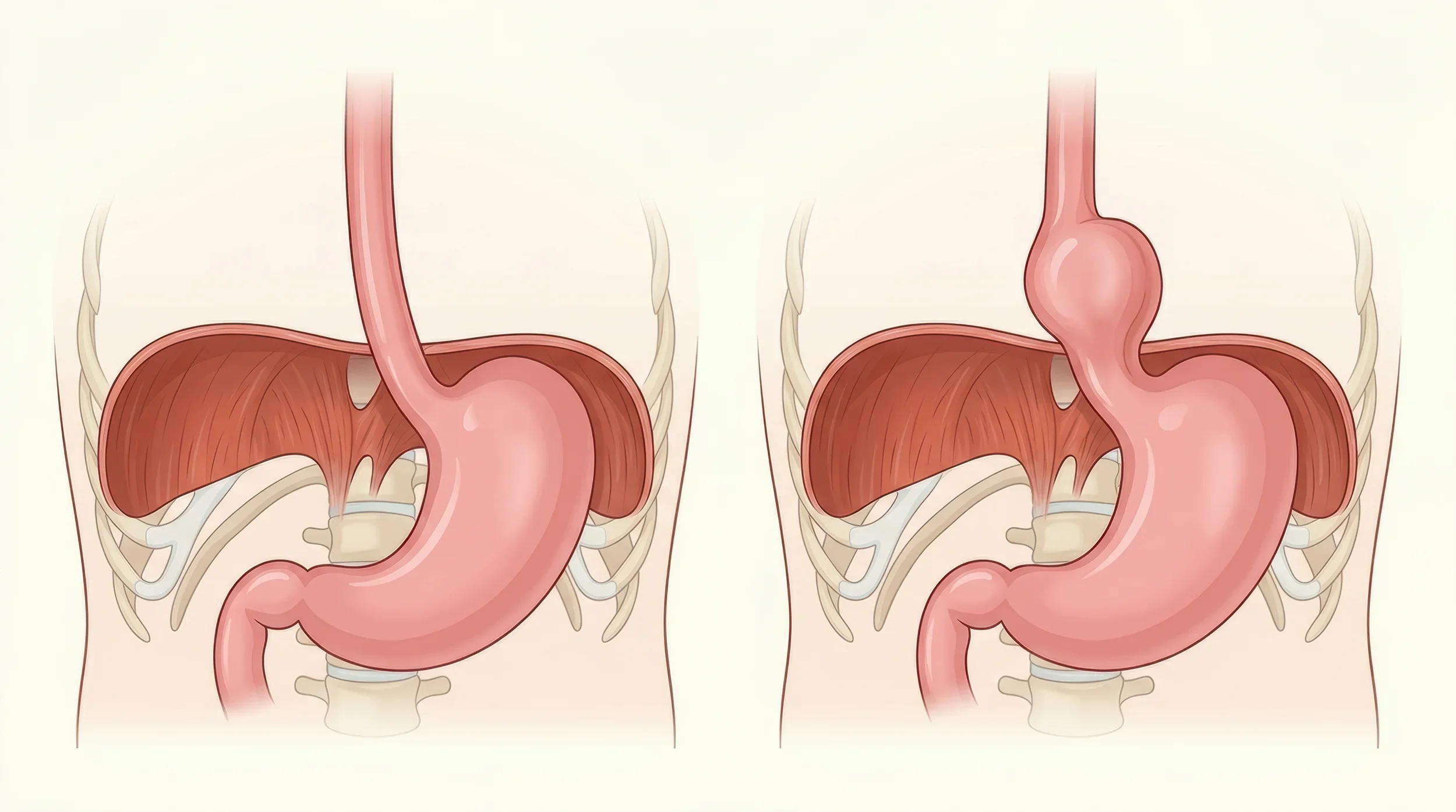
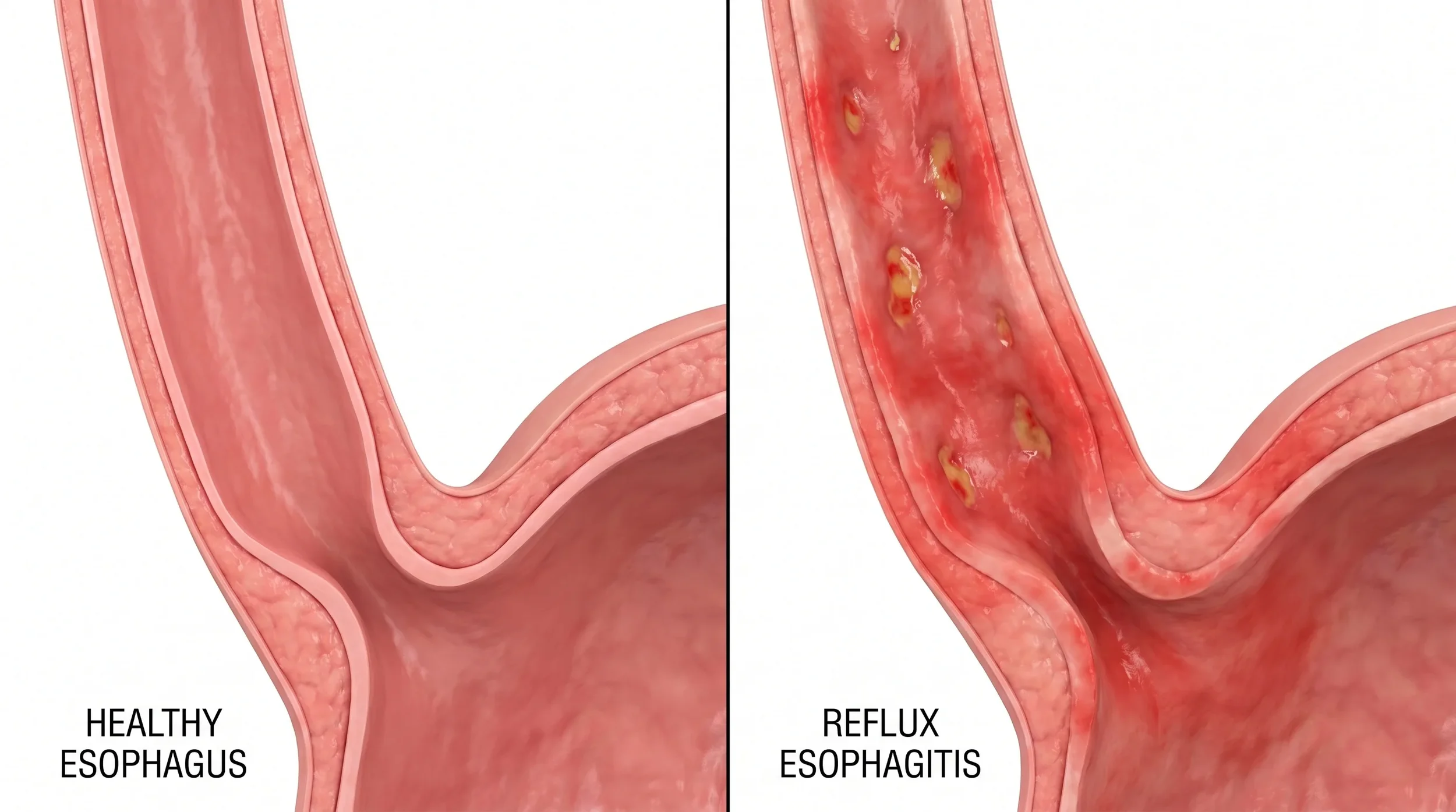
Anti-reflux surgery is an operation to repair a hiatus hernia and reinforce the valve between the oesophagus and stomach, treating the underlying mechanical cause of reflux disease (GORD) rather than just suppressing symptoms.
The operation is laparoscopic (keyhole) surgery. This involves a few small cuts in the abdomen, through which a camera and instruments are passed to pull the stomach back down below the diaphragm, narrow the diaphragm opening with stitches, and wrap the upper part of the stomach around the lower oesophagus (a fundoplication).
This doesn't change your stomach's capacity or how it digests food — it strengthens the existing valve mechanism to stop reflux.
What are the benefits?
Resolves symptoms — most people with typical reflux symptoms (heartburn, regurgitation) get substantial or complete relief.
Reduces reliance on medication — many people are able to stop or significantly reduce long-term reflux medication.
Treats the underlying problem — repairing the hernia and valve addresses the mechanical cause of reflux, rather than only suppressing acid production.
Improves related symptoms — reflux-related throat or lung symptoms, such as chronic cough, may also improve, though less reliably than typical heartburn and regurgitation.
What are the alternatives?
Lifestyle and dietary changes — losing weight if overweight and avoiding trigger foods can reduce symptoms. Avoiding food or drink within 2-3 hours of going to bed and sleeping on multiple pillows or an incline will also help. Smoking cessation is important.
Medication — proton pump inhibitors (PPIs), such as pantoprazole (Somac) or esomeprazole (Nexium), control symptoms well for many people. Surgery is usually a good option once your medication is no longer giving you control or you want to decrease your medication use.
Roux en Y gastric bypass — a weight loss procedure which controls reflux very well and can be combined with a hiatus hernia repair. It is a good option if obesity is also an issue for you.
Monitoring without active treatment — for mild or well-controlled symptoms, careful monitoring alone may be reasonable.
None of these alternatives repair the hiatus hernia itself, which is why surgery is generally recommended for larger hernias or symptoms not adequately controlled with medication.
What are the risks of surgery?
Anti-reflux surgery is a common and generally safe operation, but like any surgery and anaesthetic, it carries some risks. I will discuss these with you in more detail, but in general terms:
Common, usually minor — difficulty swallowing (dysphagia) in the first few weeks while swelling settles, bloating, and difficulty burping ("gas-bloat") as the new valve takes effect.
Less common — wound infection, bleeding, or persistent swallowing difficulty needing further treatment, such as a stretching procedure.
Uncommon but more serious — injury to the oesophagus, stomach, spleen, or nearby nerves.
Rare — a leak from the repair, which may require further intervention.
Recurrence of the hernia or reflux is possible over time. Most people recover from this operation without any significant problems. The overall risk of serious complications is low.
Recovery
Hospital stay — 2 night stay after surgery. The day after surgery allows for a dietitian review and progression to puree diet if tolerating fluids well.
Return to normal activity — most people are back to light activities within 1–2 weeks, and to full normal activity, including heavier exercise, within 4–6 weeks after keyhole surgery.
Diet — a graduated diet is recommended, starting with fluids and progressing through puree and soft food. Usually normal food is tolerated by around 6 weeks, though some foods may take 2-3 months before they are tolerated. Eating slowly, taking smaller bites, and chewing thoroughly help while the valve settles. Carbonated drinks and very large meals should be avoided early on.
Follow-up — you will have an appointment to review with me after surgery.
Summary
Anti-reflux surgery repairs a hiatus hernia and reinforces the valve between the oesophagus and stomach, treating the underlying cause of reflux.
It's performed by keyhole surgery, with a short hospital stay.
It carries a low overall risk of serious complications.
Most people have significant, lasting improvement in symptoms and are able to stop reflux medication.
This information is general in nature and is not intended as a substitute for a full discussion of the risks and benefits of surgery considering your medical issues. If you have further questions or want to discuss if this operation is right for you, please make an appointment.
Next Step
A referral from your GP is required prior to your appointment. Call (03) 9923 8066 or email admin@shilton.net.au.