PROCEDURES
Gallbladder Removal (Cholecystectomy)
For background on gallstones and gallbladder disease as a condition, see Gallstone Disease.
What is it?
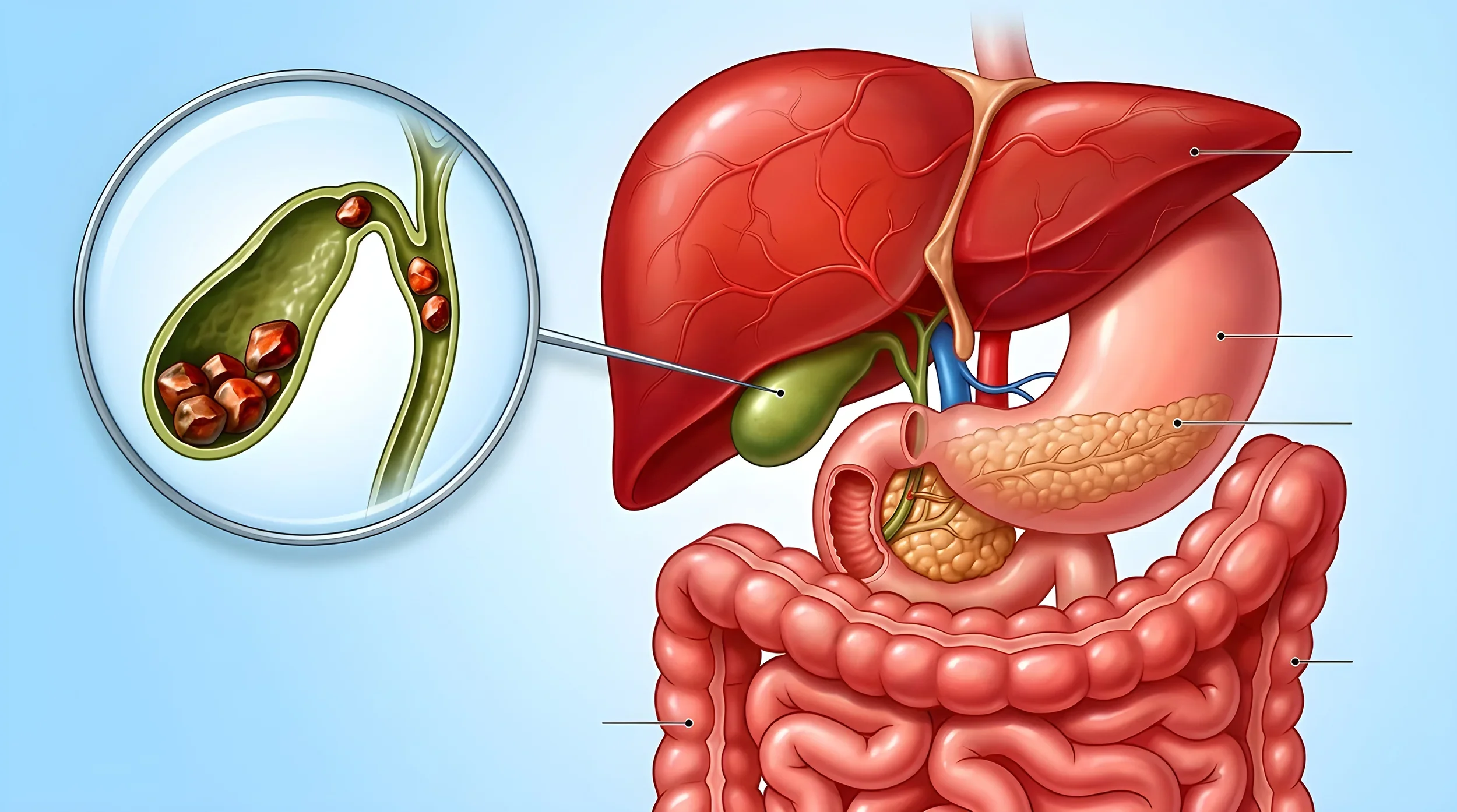
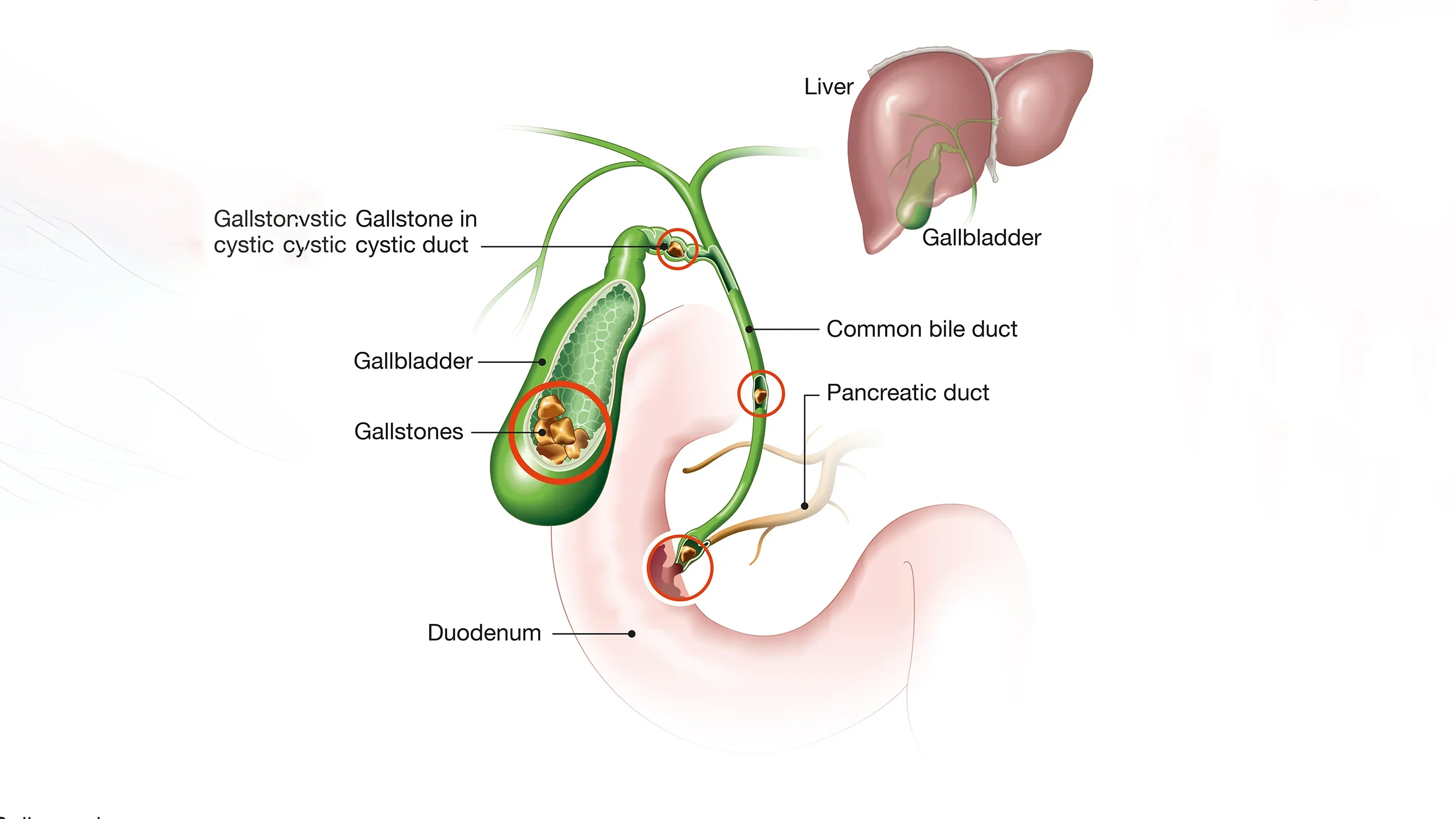
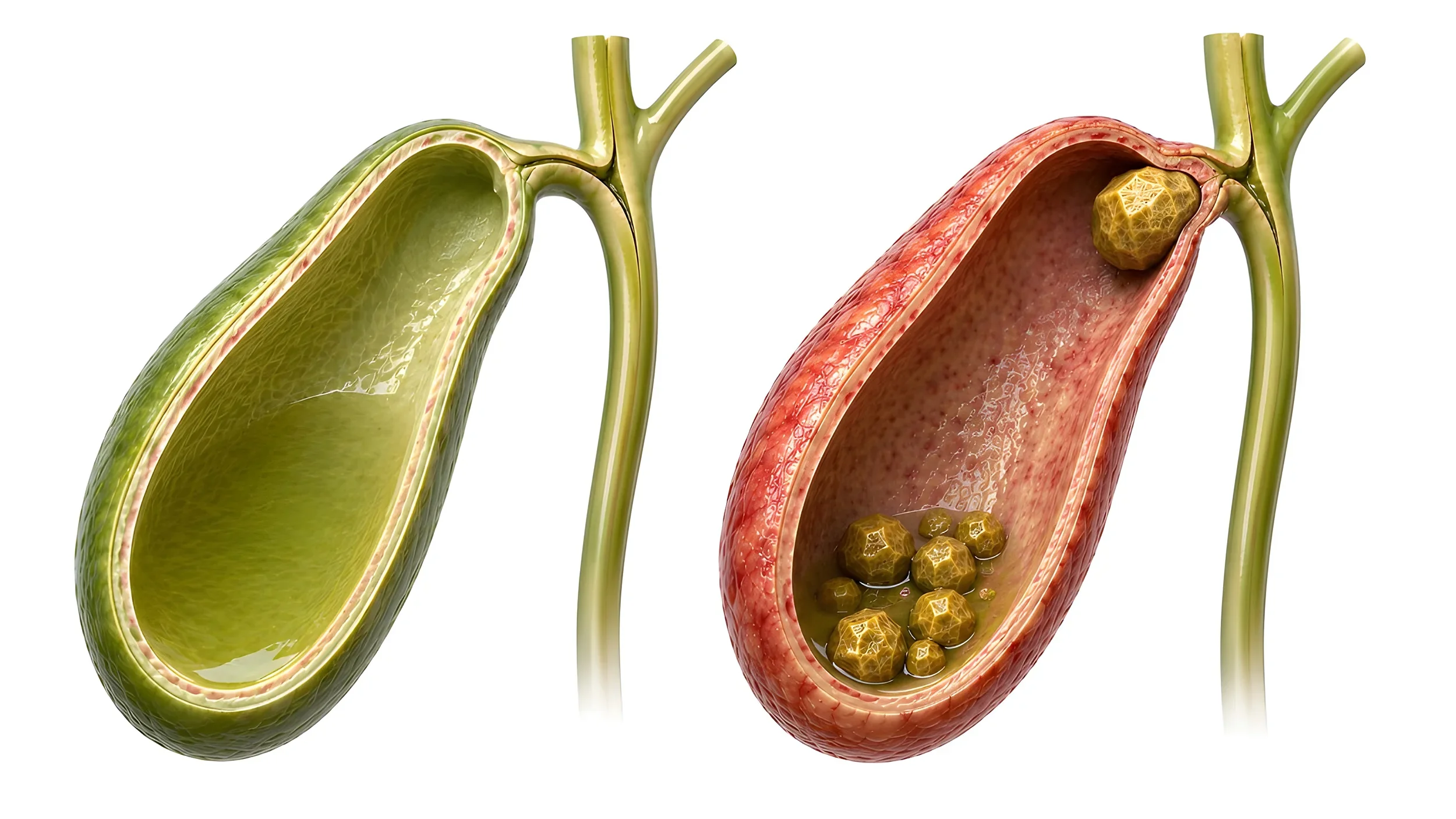
A cholecystectomy is an operation to remove your gallbladder. It's most often performed because gallstones have been causing pain or infection.
The operation is usually done as laparoscopic (keyhole) surgery. This involves a few small cuts in the abdomen, through which a camera and instruments are passed to remove the gallbladder. Occasionally, an open operation (a single larger cut) is needed instead — for example, if the gallbladder is very inflamed, scarred from previous surgery, or if keyhole surgery isn't safe to continue for some other reason.
The gallbladder isn't essential. It stores bile but doesn't make it — the liver does that. After removal, bile flows directly from the liver into the bowel instead of being stored first.
What are the benefits?
Resolves symptoms — most people who have surgery for symptomatic gallstones get relief from their pain.
Prevents recurrence — once stones have caused symptoms once, they tend to recur; removing the gallbladder stops this.
Reduces the risk of complications — it lowers the future risk of more serious problems such as cholecystitis, cholangitis, or gallstone pancreatitis.
Definitive treatment — unlike medication or dietary changes, surgery deals with the underlying problem rather than just managing symptoms.
What are the alternatives?
No treatment — if you have gallstones without symptoms, it's often advised to do nothing and simply monitor for symptoms developing.
Lifestyle and dietary changes — reducing fatty foods and maintaining a steady weight can reduce the frequency of colic episodes, though this doesn't remove the underlying stones.
Pain relief and anti-nausea medication — can manage individual episodes but doesn't prevent future ones.
Medication to dissolve stones — rarely used, as it is slow, expensive, often ineffective, and not suitable for most people.
ERCP — a separate procedure to remove a stone that has moved into the bile duct. This may be needed in addition to, rather than instead of, gallbladder removal.
None of these alternatives address the underlying tendency to form stones in the gallbladder itself, which is why surgery is generally recommended once symptoms develop.
What are the risks of surgery?
Cholecystectomy is a common and generally safe operation, but like any surgery and anaesthetic, it carries some risks. I will discuss these with you in more detail, but in general terms:
Common, usually minor — bruising, wound discomfort, temporary bloating or shoulder-tip pain from the gas used during keyhole surgery, and looser stools in the weeks afterward.
Less common — wound infection, a collection of fluid or bile near the surgical site, or bleeding.
Uncommon but more serious — injury to the bile duct, bowel, or nearby blood vessels, which may require further treatment or a further operation.
Most people recover from this operation without any significant problems. The overall risk of serious complications is low.
What does recovery look like?
Hospital stay — laparoscopic surgery is often done as a day case or with one night's stay.
Return to normal activity — most people are back to light activities within a few days and to full normal activity, including work, within 1–2 weeks after keyhole surgery. Open surgery takes longer, typically several weeks.
Diet — most people can eat normally afterward. Some notice looser stools or mild diarrhoea in the first few weeks or months, especially after fatty meals, but this usually settles with time. You ease back into fatty foods gradually.
Wound care — small dressings cover the keyhole cuts, they can be removed after a week.
Follow-up — you will have an appointment to review with me after 1-2 weeks.
Summary
Cholecystectomy is a common, effective operation for gallstone symptoms or complications.
It's usually done by keyhole surgery, with an overnight hospital stay.
It carries a low overall risk of serious complications, though, as with any surgery, some risk exists.
Most people return to a normal diet and activity level within a couple of weeks, and have resolution of their symptoms.
This information is general in nature and is not intended as a substitute for a full discussion of the risks and benefits of surgery considering your medical issues. If you have further questions or want to discuss if this operation is right for you, please make an appointment.
Next Step
A referral from your GP is required prior to your appointment. Call (03) 9923 8066 or email admin@shilton.net.au.